Tint Film for Car Window: The Complete Technical Guide to Automotive Window Tinting
The automotive industry has witnessed a remarkable evolution in how vehicles manage light, heat, and privacy, with tint film for car window technology standing as one of the most popular and practical vehicle modifications available today. What began as a simple aesthetic enhancement has transformed into a sophisticated technological solution that delivers measurable benefits in comfort, protection, and safety. This comprehensive technical article explores the various types of tint film for car window, their scientific principles, performance characteristics, installation considerations, and the market trends shaping this dynamic industry.
Section 1: Understanding Tint Film for Car Window Technology
Tint film for car window refers to a thin laminate film applied to the interior or exterior surface of automotive glass, designed to modify its optical and thermal properties. Modern window films represent a remarkable feat of materials engineering, typically consisting of multiple layers including polyester base films, adhesive layers, protective coatings, and performance-enhancing components such as dyes, metals, carbon, or ceramic particles.
The fundamental value proposition of tint film for car window extends far beyond mere aesthetics. Today's advanced films deliver comprehensive benefits including solar heat reduction, UV radiation protection, glare minimization, privacy enhancement, and improved safety through shatter resistance. These multifunctional characteristics have elevated window tinting from a cosmetic upgrade to an essential vehicle enhancement for millions of drivers worldwide.
Section 2: Types of Tint Film for Car Window
Understanding the different types of tint film for car window is essential for making an informed purchasing decision. Each type employs distinct materials and technologies, resulting in varying performance levels, durability, and cost profiles.
2.1 Dyed Window Film
Dyed window film represents the most affordable entry point into the world of tint film for car window. This type utilizes a layer of dye embedded within the adhesive or between polyester layers to absorb solar energy and provide coloration.
Working Principle: The dye molecules absorb visible light, reducing glare and creating a darker appearance. However, the absorption mechanism means that heat is trapped within the glass rather than reflected away.
Performance Characteristics:
Cost-effective solution with uniform black appearance
Effective glare reduction
Minimal heat rejection compared to advanced technologies
Susceptible to fading over time, potentially turning purple with prolonged sun exposure
Limited lifespan of approximately 3-5 years
Dyed films remain popular for budget-conscious consumers prioritizing appearance over maximum thermal performance.
2.2 Metalized Window Film
Metalized tint film for car window incorporates microscopic metallic particles—typically aluminum, titanium, or other metals—into the film construction. These particles create a reflective barrier that enhances performance significantly over dyed alternatives.
Working Principle: The metallic particles reflect incoming solar radiation rather than absorbing it, providing superior heat rejection. The metal layer also adds structural strength to the glass.
Performance Characteristics:
Excellent heat rejection through reflection
Enhanced durability and scratch resistance
Improved shatter resistance, holding glass together upon impact
Potential interference with electronic signals including GPS, cell phones, and radio reception
Characteristic reflective or shiny appearance
While metalized films offer substantial performance improvements, the signal interference issue has become increasingly problematic in modern vehicles equipped with numerous electronic systems and sensors.
2.3 Carbon Window Film
Carbon film represents a significant advancement in tint film for car window technology, addressing many limitations of earlier types. These films utilize carbon particles embedded in the film structure to achieve superior performance without electronic interference.
Working Principle: Carbon particles absorb infrared radiation while allowing visible light to pass through. The carbon also blocks UV radiation and provides exceptional color stability.
Performance Characteristics:
Attractive matte finish that complements modern vehicle aesthetics
Superior heat rejection compared to dyed and metalized films
No signal interference with electronic devices
Excellent color stability with no fading or purple discoloration
Longer lifespan, typically 5-10 years
Moderate price point between economy and premium options
Carbon films have become a popular choice for drivers seeking a balance of performance, aesthetics, and value.
2.4 Ceramic Window Film
Ceramic tint film for car window represents the pinnacle of window tinting technology. These premium films utilize non-metallic, nano-ceramic particles that are optically clear yet provide exceptional performance across multiple parameters.
Working Principle: Nano-ceramic particles selectively block infrared and UV radiation while allowing visible light to pass through. The ceramic construction provides superior thermal insulation without the need for metals or dyes.
Performance Characteristics:
Unrivaled heat rejection, blocking up to 80-90% of infrared energy
99% or greater UV protection, with some formulations certified by the Skin Cancer Foundation
Zero signal interference with GPS, cell phones, or vehicle sensors
Exceptional optical clarity with minimal haze even in darker shades
Superior durability with lifetime warranties common
Premium pricing justified by comprehensive performance
Ceramic films are particularly valuable for electric vehicles, where reduced air conditioning load directly translates to extended driving range. Premium products utilize multiple layers of nanotechnology to achieve total solar energy rejection of up to 62%.
2.5 Hybrid Films
Hybrid tint film for car window combines elements from multiple technologies to achieve balanced performance at intermediate price points. Common combinations include dyed-metalized hybrids that offer improved heat rejection over dyed films while minimizing the signal interference of fully metalized options.
| Film Type | Heat Rejection | UV Protection | Signal Interference | Durability | Cost |
|---|---|---|---|---|---|
| Dyed | Low | Moderate | None | Low | $ |
| Metalized | Moderate-High | High | Yes | Moderate | $$ |
| Carbon | High | High | None | High | $$$ |
| Ceramic | Very High | 99%+ | None | Very High | $$$$ |
Section 3: Technical Specifications and Performance Parameters
3.1 Visible Light Transmission (VLT)
The most critical specification for any tint film for car window is Visible Light Transmission (VLT), which indicates the percentage of visible light that passes through the film. VLT ratings typically range from 5% to 90%, with lower numbers indicating darker films.
Common VLT levels include:
5% VLT ("Limo tint"): Maximum privacy, but may be illegal for front windows in most jurisdictions and significantly reduces night visibility
20% VLT: Substantial privacy with moderate night visibility
35% VLT: Common legal limit for front side windows in many regions, balancing privacy and visibility
50% VLT: Light tint offering glare reduction while maintaining near-stock appearance
70-90% VLT: Nearly clear films providing UV protection and minimal heat rejection without visible darkening
3.2 Total Solar Energy Rejection (TSER)
TSER measures the total percentage of solar energy—including visible light, infrared, and ultraviolet—rejected by the film. This comprehensive metric provides the best indication of a film's thermal performance. Premium ceramic films achieve TSER values of 50-72%, while economy films may reject only 20-30%.
3.3 Infrared Rejection
Infrared radiation accounts for approximately 53% of solar energy and is primarily responsible for heat buildup. High-performance tint film for car window specifically targets infrared rejection, with ceramic films achieving 70-97% IR rejection depending on formulation and VLT.
3.4 UV Rejection
UV protection is perhaps the most health-critical function of window film. Quality tint film for car window blocks 99% or more of harmful UVA and UVB radiation, protecting both occupants from skin damage and interior materials from fading and deterioration. The Skin Cancer Foundation recommends films achieving 99% UV blockage.
3.5 Glare Reduction
Glare reduction percentages indicate how effectively the film minimizes visual discomfort from bright sunlight and oncoming headlights. Premium films typically reduce glare by 60-80%, with darker films providing greater glare control.
Section 4: Legal and Regulatory Considerations
4.1 VLT Regulations
One of the most important considerations when selecting tint film for car window is compliance with local laws. Window tinting regulations vary significantly by jurisdiction, with most regions specifying minimum VLT requirements for different window positions.
Typical regulatory patterns include:
Front windshield: Often restricted to non-reflective tint above the AS-1 line or top 4-6 inches
Front side windows: Most commonly regulated, with typical minimum VLT of 35% or 50%
Rear side windows: Often subject to fewer restrictions, allowing darker tints
Rear window: May have restrictions related to rear visibility, often requiring dual side mirrors if heavily tinted
Installers and vehicle owners bear responsibility for ensuring compliance. Violations can result in fines, failed vehicle inspections, and requirements to remove non-compliant film.
4.2 Medical Exemptions
Many jurisdictions offer medical exemptions allowing darker tint film for car window for individuals with photosensitivity, certain skin conditions, or other medical needs. Documentation from a healthcare provider is typically required.
Section 5: Installation Considerations
5.1 Professional vs. DIY Installation
While DIY tint film for car window kits are available, professional installation is strongly recommended for optimal results. Professional installers possess the expertise, tools, and controlled environments necessary to achieve bubble-free, precisely aligned application.
Professional installation advantages include:
Precise cutting to vehicle-specific patterns
Proper surface preparation ensuring adhesion
Controlled environment minimizing dust and contamination
Warranty coverage protecting against defects
Compliance verification with local regulations
5.2 Pre-Cut Films
Many manufacturers now offer pre-cut tint film for car window solutions tailored to specific vehicle models. These computer-generated patterns eliminate the need for on-vehicle cutting, reducing installation time and risk of damage. Pre-cut films are available for both professional installers and experienced DIY enthusiasts.
5.3 Curing Time
After installation, window film requires a curing period during which residual moisture between the film and glass evaporates. This process typically takes 2-7 days depending on climate and humidity. During curing, small water bubbles may be visible and windows should remain rolled up to prevent film displacement.
Section 6: Market Trends and Industry Outlook
6.1 Market Growth
The global automotive tinting film market demonstrates robust growth, driven by increasing consumer awareness of health and comfort benefits. The market was valued at approximately USD 4.17 billion in 2024 and is projected to reach USD 6.47 billion by 2032, growing at a CAGR of 5.63%. The broader automotive films market, including paint protection and wrap films, reached USD 6.8 billion in 2024 with projections of USD 9.3 billion by 2031.
6.2 Regional Dynamics
Asia-Pacific dominates global demand, accounting for the largest market share due to thriving automotive manufacturing in China, Japan, and South Korea, combined with high adoption rates of window films in emerging economies. North America maintains strong demand driven by sun exposure awareness and vehicle customization culture, while Europe emphasizes sustainability and energy efficiency in automotive applications.
6.3 Technology Trends
The industry is witnessing several transformative trends:
Premiumization: Consumers increasingly select higher-grade films, with ceramic and carbon technologies gaining market share at the expense of dyed and basic metalized films.
Electrification Compatibility: The rise of electric vehicles has intensified demand for non-metallized films that preserve signal integrity while maximizing thermal efficiency to extend battery range.
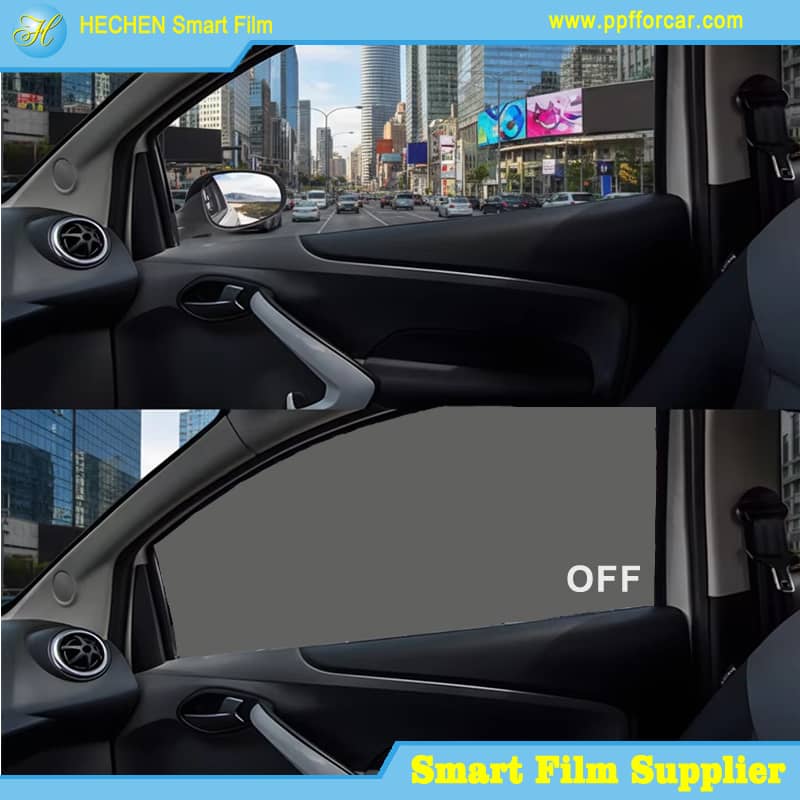
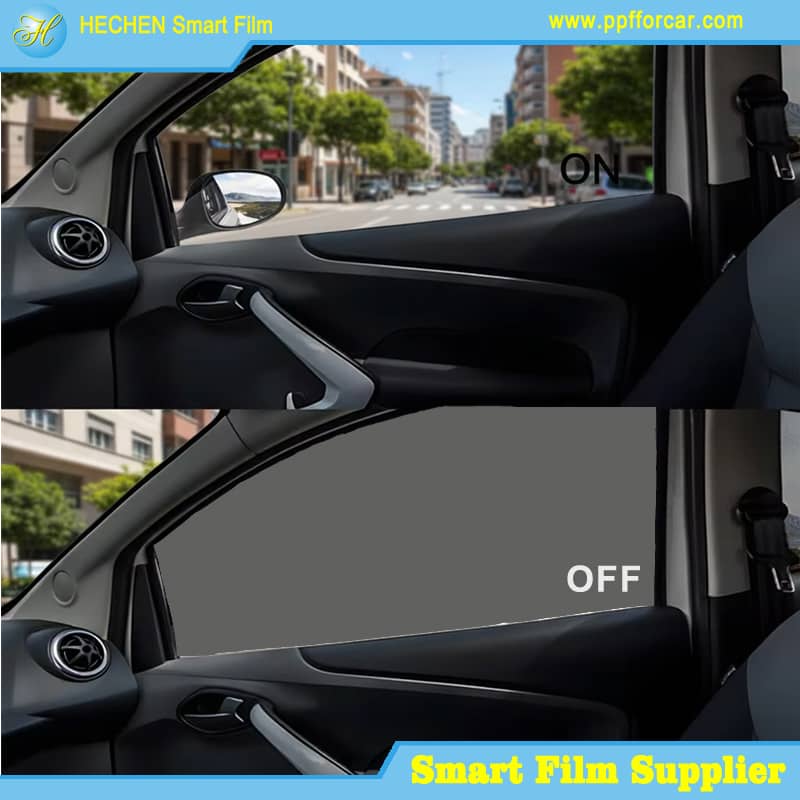
Smart Films: Emerging technologies including electrochromic and polymer-dispersed liquid crystal (PDLC) films offer switchable transparency, though these remain premium options in early adoption stages.
Sustainability: Manufacturers are developing eco-friendly formulations using recycled materials and sustainable manufacturing processes.
Section 7: Future Outlook
The future of tint film for car window technology points toward continued innovation in materials science and functional integration. Advanced ceramic formulations continue to improve performance parameters, pushing heat rejection capabilities higher while maintaining optical clarity. The integration of smart technologies enabling dynamic tint control represents the next frontier, though cost barriers currently limit widespread adoption.
As vehicle architectures evolve with larger glass areas and increased electronic content, the importance of high-performance, signal-transparent window films will only grow. For consumers, the message is clear: investing in quality tint film for car window delivers tangible benefits in comfort, protection, and vehicle preservation that far exceed the initial cost.
Conclusion
Tint film for car window has evolved dramatically from simple dyed sheets to sophisticated multi-layer engineered products incorporating nano-ceramic technology, selective spectral filtering, and advanced durability. Today's consumers face a diverse array of options spanning budget-friendly dyed films through premium ceramic products offering 99% UV protection and 70%+ infrared rejection.
The selection of appropriate tint film for car window requires balancing multiple factors: desired appearance, thermal performance requirements, budget constraints, and legal compliance. Carbon and ceramic films represent the optimal choices for drivers seeking comprehensive performance without electronic interference, while dyed and metalized options remain viable for budget-focused applications.
As the automotive industry continues its transformation toward electrification and autonomous operation, window film technology will play an increasingly important role in vehicle energy management and occupant comfort. Whether for a daily commuter, family vehicle, or luxury automobile, quality tint film for car window delivers enduring value through enhanced comfort, protection, and driving satisfaction.
For more about Remote control PDLC for car. Everything you need to know, you can pay a visit to Hechen PDLC Smart Film Manufacturers for more info.


评论
发表评论